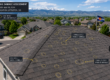


Colorado summer storms hit fast and they hit hard. A clear afternoon can turn into a 70-mile-per-hour downburst within 30 minutes, and by the time the wind passes, your roof may have taken damage you can’t see from the front porch. Unlike hail, which usually leaves obvious dents and impact marks, wind damage tends to be subtle. Loose shingles, broken adhesive seals, and lifted ridge caps often go unnoticed for weeks or months, until a leak in the ceiling makes the problem impossible to ignore.
Here’s a practical guide to identifying wind damage after a Colorado summer storm, what’s visible from the ground, what isn’t, and what to do before the next storm makes things worse.
What Colorado Summer Winds Actually Do to a Roof
Summer wind damage in Colorado usually comes from one of three sources:
Thunderstorm downbursts and microbursts. These are localized columns of rapidly descending air that hit the ground and spread outward at high speeds. A microburst can produce winds of 100 miles per hour or more across a small area, and it’s the kind of event that can strip dozens of shingles off a single slope in seconds.
Straight-line winds from severe storms. Sustained winds of 50 to 70 mph aren’t unusual during summer thunderstorm activity along the Front Range. These winds don’t always feel dramatic from inside the house, but they’re more than enough to compromise shingle adhesion over time.
Monsoon-driven storm activity. Late summer brings the southwestern monsoon pattern into Colorado, which produces clusters of fast-moving thunderstorms with gusty outflow winds. Damage from these events is often spread across multiple homes in a neighborhood in a recognizable pattern.
The actual damage mechanism is simple. Asphalt shingles are held in place by a strip of adhesive on the underside that bonds to the shingle below. When wind catches an edge and lifts the shingle, that adhesive bond can break. Once it’s broken, the shingle is no longer sealed, and every subsequent wind event widens the gap.
Damage You Can Often See From the Ground
A careful walk around your home after a storm, with binoculars if you have them, will reveal most of the obvious damage. Look for:
-
Missing shingles. Bare spots on the roof or shingles in the yard are the clearest sign of wind damage.
-
Lifted or displaced shingles. Shingles that aren’t lying flat have lost their seal and are at risk of tearing off in the next storm.
-
Ridge cap damage. The caps along the peak of the roof take the most direct wind exposure. Cracked, curled, or missing caps are common after high-wind events.
-
Debris in the yard. Pieces of shingle, granule fragments, or sections of flashing in the yard or gutters all suggest something came off the roof.
-
Visible damage to flashings. Metal flashing around chimneys, vents, and skylights can be bent or pulled loose by strong winds.
-
Granules in gutters and downspouts. Wind-driven debris and storm activity accelerate granule loss. A thick layer of granules at the bottom of a downspout is a meaningful warning sign.
Damage That’s Harder to Catch
Some of the most consequential wind damage isn’t visible without getting onto the roof, and this is where a professional inspection matters. Common hidden issues include:
Creased shingles. When wind lifts a shingle and slams it back down, it often leaves a horizontal crease across the face. The shingle looks fine from a distance but the asphalt matrix is broken, which means it will fail prematurely. Insurance adjusters specifically look for creasing because it’s considered functional damage tied directly to a wind event.
Broken seal strips. A shingle can look completely intact and still have a compromised adhesive seal underneath. Once the seal is broken, water can be driven up under the shingle during the next storm, leading to leaks that don’t have an obvious external cause.
Underlayment exposure. When shingles tear off, the underlayment beneath can be visible from above but invisible from the ground. Exposed underlayment is a short-term waterproofing barrier, not a long-term solution, and it needs prompt attention.
Decking damage. In severe wind events, sections of the wood decking under the shingles can be compromised. This is rare but serious, and it’s only identifiable through hands-on inspection.
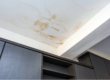
Interior signs. Water stains on ceilings, peeling paint near corners, or damp insulation in the attic all indicate that wind damage has already allowed moisture intrusion. By the time the interior shows damage, the roof problem has usually been going on for a while.
Cosmetic Versus Functional Damage
This distinction matters for insurance claims. Homeowners policies in Colorado typically cover wind damage that affects the roof’s ability to do its job, meaning shed water and protect the structure. Coverage usually does not extend to cosmetic damage that doesn’t compromise function.
Examples of functional damage that’s typically claim-eligible:
-
Missing or torn shingles
-
Creased shingles with broken adhesive bond
-
Damaged ridge caps
-
Compromised flashing
-
Exposed underlayment or decking
Examples of cosmetic wear that often isn’t covered:
-
Faded or weathered shingle color
-
Light surface scuffing
-
Long-term granule loss not tied to a specific event
A roofing professional documenting damage for a claim will focus on functional indicators tied to the date of the storm. This is part of why timing matters so much for wind claims.
Why Timing Matters After a Storm
Wind damage compounds. A broken seal that goes unaddressed gets worse with every subsequent gust. A creased shingle that survived one storm is far more likely to tear off in the next. Beyond the physical worsening, most insurance policies have a defined window (often one year, sometimes shorter) for filing claims tied to a specific weather event. Waiting too long can mean losing coverage entirely.
After a significant wind storm, the right sequence is:
-
Walk the property from the ground and document anything visible with date-stamped photos.
-
Note the date, approximate time, and severity of the storm.
-
Schedule a professional inspection within a week or two.
-
Review the inspection findings before deciding whether to file a claim.
Climbing on the roof yourself is not recommended. Wind-damaged shingles are loose, and a roof that looks stable can be deceptively unsafe.
FAQ
How fast do winds have to be to damage a Colorado roof?
Most modern asphalt shingles are rated for wind resistance between 60 and 130 mph, depending on the product. In practice, damage can begin at sustained winds of 50 mph or in gusts above 60 mph, especially on older roofs or roofs that have already been compromised by previous storms.
Can I have wind damage if no shingles are missing?
Yes, and this is one of the most common misconceptions. Creased shingles and broken adhesive seals can look completely normal from the ground while still constituting legitimate, claim-eligible damage. A professional inspection is the only reliable way to assess.
How long after a wind storm should I have my roof inspected?
Within a week or two is the standard recommendation. Damage gets worse over time, and most insurance policies require claims to be filed within a defined window after the event. Sooner is better, both for the roof and for the claim.
Does homeowners insurance cover wind damage in Colorado?
Most standard policies do, with some caveats. Coverage is typically tied to functional damage from a specific wind event, and deductibles for wind and hail are often higher than the base policy deductible. Review your specific policy or talk to your agent for details.
What if I see water stains inside but the roof looks fine from outside?
That’s a meaningful warning sign. Interior moisture typically means wind damage has already allowed water past the roof’s defenses, even if the exterior signs are subtle. Get a professional inspection promptly, and address both the roof issue and any interior damage to drywall or insulation before mold develops.
Should I sign a contract with a roofer who knocks on my door after a storm?
Not without due diligence. Reputable local contractors are happy to provide a free inspection and a written estimate without pressure to sign anything immediately. Take time to verify licensing, insurance, and local references before committing.
Schedule a Post-Storm Inspection with Pinnacle Roofing Associates
If a recent storm rolled through your Aurora, Centennial, or Denver-area neighborhood, the right time to check your roof is now, before damage worsens or the claim window narrows. Pinnacle Roofing Associates provides free, no-obligation roof inspections, complete with documentation suitable for insurance claims, and we handle interior storm-related repairs like drywall when wind damage has let moisture into the home.
Call (303) 589-0708 or visit pinnacleroofingassociates.com to schedule your inspection. We’ll walk the roof, document the condition with clear photos, and give you a straightforward written assessment of what we find.