
If you live along the Front Range, hail isn’t a maybe. It’s a when. So before you commit to metal siding, it’s fair to ask the blunt question: will it dent? The honest answer is that it can. The more useful answer is that whether it dents, and whether that dent actually matters, comes down to a few things most product brochures skip over.
Here’s what we’ve learned putting metal siding on homes around Aurora and the Denver Metro area, and what you should weigh before a big storm rolls through.
Yes, metal can dent. What decides whether it does
Not all metal siding reacts to hail the same way. Three factors do most of the work.
The metal itself matters first. Aluminum is softer and lighter, so it dents more easily. Steel is harder and stands up to impact better, which is why a lot of Colorado homeowners lean toward steel in hail country.
Thickness is the next factor. Metal is measured in gauge, and a lower gauge number means a thicker, more impact-resistant panel. A heavier-gauge steel panel takes a hit that would mark a thinner one.
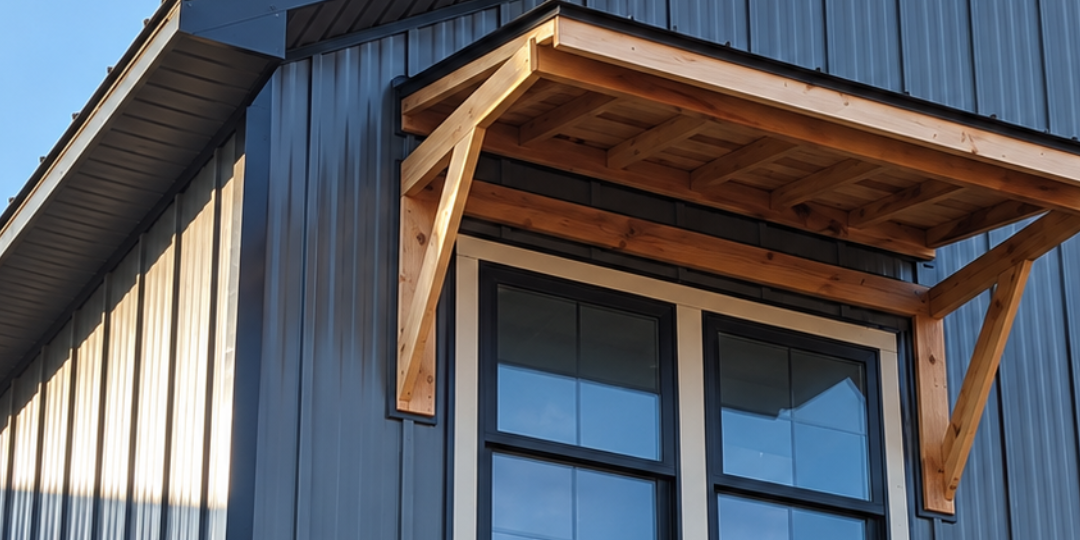
Panel profile and texture round it out. Flat, smooth panels show every imperfection, so a small dent stands out. Profiled, ribbed, or wood-grain textured panels break up the surface and hide minor marks far better. Two homes can get the same hail and look completely different afterward based on this alone.
Cosmetic dents versus real damage
This is the distinction that actually matters, and it’s the one homeowners tend to miss.
A cosmetic dent is a surface mark. The panel is still doing its job: keeping water out, protecting the structure, staying attached. It looks less than perfect up close, but it isn’t failing.
Functional damage is different. That means punctures, split seams, or panels knocked loose, the kind of thing that lets moisture reach the wall behind it. With quality metal siding installed correctly, functional hail damage is uncommon. Most of what people notice after a storm is cosmetic, not structural.
That gap between “looks dinged” and “isn’t working” is where metal earns its reputation. It’s also why an honest inspection after a storm matters more than a glance from the driveway.
How metal stacks up against other siding in hail
Every siding material responds to hail in its own way. Vinyl can crack or crack through when it’s cold and brittle, which is exactly the condition a Colorado hailstorm tends to create. Wood can gouge and splinter. Fiber cement holds up reasonably well but can chip.
Metal’s weak point is almost always appearance, not performance. It’s more likely to show a cosmetic dent than to fail outright. For a lot of homeowners weighing long-term protection against the risk of a bad hail year, that tradeoff is an easy one to make.
What Colorado hail actually throws at your siding
The Front Range sits in one of the more active hail corridors in the country. Stones range from small and harmless to large and wind-driven, and it’s the wind that does real damage. Hail coming straight down is one thing. Hail driven sideways at a wall is another, and that’s when siding takes the brunt of it instead of the roof.
Vertical walls actually catch a break here. Hail usually strikes them at an angle rather than head-on, so siding often fares better than the roof above it. That doesn’t make it hailproof, but it’s part of why metal siding holds up as well as it does through a typical Colorado storm season.
A note for HOAs and commercial properties
If you manage a townhome community, a multi-unit building, or a commercial property, the calculation shifts a little. Uniform appearance across many units is part of the job, so cosmetic denting on flat panels can turn into a board-level headache after a single storm. Choosing a heavier-gauge steel and a textured profile up front tends to save a lot of grief later, and it keeps a whole property looking consistent instead of patchy.
Don’t overlook the finish
A dent is one thing. A dent that exposes bare metal is another, because that’s where rust starts. Quality metal siding uses a durable factory finish built to resist chipping, so even if a panel takes a hit, the coating usually stays intact and the metal underneath stays protected. When you’re comparing products, the finish is worth as much attention as the gauge.
The insurance piece worth knowing
Here’s something that catches people off guard: some homeowner policies treat cosmetic hail damage differently from functional damage, and a few exclude cosmetic denting altogether. Before you assume a claim will cover every mark, it’s worth reading how your policy handles it. After a major storm, a documented professional inspection helps you understand what you’re actually looking at and what’s worth filing on.
What we tell homeowners in Aurora
Metal siding is one of the more durable choices you can put on a Colorado home, and it holds up to our weather better than most. It isn’t immune to a cosmetic dent in a serious hailstorm, and no siding honestly is. The goal is to pick the right metal, the right gauge, and the right profile for where you live, then have it installed so it performs the way it should. Get those decisions right and metal siding will outlast a lot of what’s around it.
Pinnacle Roofing Associates has worked on homes and buildings across Aurora and the Denver Metro area since 2008, including plenty of storm and hail restoration. We’re licensed, insured, and BBB accredited, and we’re happy to walk you through what actually fits your home.
If you’re weighing metal siding, or you want a straight answer on whether recent hail did anything to what you already have, learn more about our metal siding services or reach out for an inspection. We’ll tell you what we see, not what’s easiest to sell.
FAQ
Does metal siding dent in hail?
It can, mostly as cosmetic surface marks rather than damage that stops it from protecting your home. Thicker steel and textured panel profiles resist and hide denting far better than thin, flat, or aluminum panels.
Is steel or aluminum siding better for Colorado hail?
Steel is harder and stands up to impact better, which makes it the more common choice in hail-prone areas. Aluminum is lighter and softer, so it dents more easily.
Will a hail dent cause my metal siding to rust?
Not on its own. A quality factory finish is built to resist chipping, so the coating usually stays intact through an impact and keeps the metal underneath protected. Rust becomes a concern only if the finish is broken and bare metal is exposed.
Does metal siding hold up to hail better than vinyl?
In terms of structural performance, generally yes. Vinyl can crack in the cold conditions that come with a hailstorm, while metal is more likely to show a cosmetic dent than to fail.
Will my insurance cover hail dents on metal siding?
It depends on your policy. Some cover functional damage but treat cosmetic denting differently, and a few exclude cosmetic damage entirely. Check your specific coverage, and get a professional inspection after a major storm to document what happened.
How can I reduce the chance of hail denting my metal siding?
Choose a heavier-gauge steel and a textured or profiled panel, and have it installed correctly. Those three choices do the most to keep hail from leaving a visible mark.