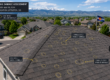


If you’ve lived along the Front Range for more than one summer, you already know the drill. The clouds build up in the afternoon, the wind picks up, and within an hour your neighborhood is getting pelted by something that sounds like rocks hitting the roof. Colorado sits in the heart of what meteorologists call Hail Alley, and every spring brings the same question for homeowners: is my roof actually ready for this?
The good news is that hail damage is one of the most preventable forms of major home repair, provided you do the prep work before the storms arrive. Here’s a practical guide to getting your roof ready for the season, what to watch for, and when to bring in a professional.
Why Colorado Hail Is in a Category of Its Own
Hailstorms happen across much of the United States, but the Denver metro and the broader Front Range see some of the most damaging storms in the country. A few reasons:
The geography is unusually conducive to severe storms. Warm, moist air pushing up from the south collides with cold, dry air spilling off the Rockies. That collision creates the rapidly developing supercells that produce large hail.
Altitude matters too. At Denver’s 5,280 feet, the air is thinner, which allows hailstones to maintain higher speeds as they fall. A one-inch hailstone striking a roof in Aurora carries meaningfully more impact energy than the same stone falling in Kansas.
Storms also develop fast. Unlike hurricanes or major winter storms, a Front Range supercell can go from a clear afternoon to baseball-sized hail in less than an hour. There’s rarely time to do meaningful prep once a storm is on the radar, which is why the work has to happen before the season starts.
Peak hail activity runs from April through July, with damaging storms possible into September. The right window for preparation is March and early April.
Your Pre-Season Roof Inspection Checklist
A ground-level visual inspection is something most homeowners can do themselves, and it catches a lot of issues before they become storm vulnerabilities. Grab a pair of binoculars and walk the perimeter of your house. From the ground or from an upstairs window, look for:
Curling, lifting, or missing shingles. Any shingle that isn’t lying flat is a wind catch point and a weak spot during impact.
Granule loss. Dark spots or smooth patches on shingles mean the protective granule layer has worn away, exposing the asphalt underneath. Check your gutters and downspout splash zones for accumulated granules.
Damaged or rusted flashing. The metal pieces around chimneys, vents, and skylights are common leak points. Cracked sealant or loose flashing should be repaired before storm season.
Sagging or uneven areas. Any visible dip in the roof line can indicate underlying structural problems that need attention.
Debris buildup. Branches, leaves, and pine needles trap moisture against the shingles and accelerate wear.
If anything on this list raises a question for you, write it down. Even small issues become bigger problems once a serious storm hits a compromised area.
Document Everything Before a Storm Hits
This is the step most homeowners skip, and it’s the one that pays off the most if you ever have to file an insurance claim. Before storm season starts, take clear photos of your roof from several angles. Include close-ups of any existing wear, the condition of your gutters, and any previous repair areas.
Save the photos somewhere you can find them later, along with a simple note covering the age of your roof, the type of shingles, and the date of the last professional inspection. If a storm causes damage, this documentation makes the difference between an adjuster accepting your claim quickly and a drawn-out dispute over what was pre-existing.
Insurance adjusters in Colorado see thousands of hail claims every season. The ones that move smoothly are the ones with clear before-and-after evidence.
Don’t Overlook Your Gutters
Gutters get ignored in hail prep conversations, which is a mistake. During a typical hailstorm, your gutters are managing not just the hail itself but also the heavy rain that almost always comes with it. Blocked, sagging, or improperly pitched gutters allow water to back up under shingles, pool near the foundation, or create concentrated runoff that erodes landscaping and undermines drainage.
Before hail season, clear out all debris from gutters and downspouts. Run a hose through them and watch for slow drainage or overflow. Check that brackets are secure and that downspouts are still aimed away from the house. If any sections are visibly bent or pulling away from the fascia, get them fixed before they fail during a storm.
When It’s Time to Upgrade the Roof Itself
If your roof has already weathered several hail seasons, or if you’ve filed more than one hail damage claim in the past decade, it may be worth considering a more impact-resistant material instead of replacing the same product cycle after cycle.
Impact-resistant shingles are rated on a Class 1 through Class 4 scale, with Class 4 offering the highest hail resistance. Many Colorado insurers offer premium discounts for Class 4 installations, which can offset some of the upgrade cost over time.
Beyond traditional impact-resistant asphalt, products like Euroshield (a recycled rubber shingle that Pinnacle Roofing Associates installs) are specifically engineered to absorb hail impact without cracking, denting, or splitting. For homeowners tired of repeat repairs, this kind of long-term solution often makes more financial sense than another standard shingle replacement.
A professional roofer can walk you through the material options that fit your home, your budget, and your insurance situation.
When to Bring in a Professional
A ground-level homeowner inspection catches a lot, but it doesn’t catch everything. Trained roofers see things from on the roof that aren’t visible from below: bruising on shingles from previous hail events, subtle granule wear patterns, sealant failures around penetrations, and early signs of underlying deck damage.
A professional pre-season inspection is worth scheduling if:
- It’s been more than two years since the roof was last inspected
- Your home has been through a recent hailstorm, even if no damage looked obvious
- Your roof is more than 10 years old
- You’ve noticed any leaks, no matter how minor
- You’re planning to file a claim and need supporting documentation
Most reputable Colorado roofers offer free inspections during the pre-season window. There’s no reason not to take advantage of that before April rolls around.
FAQ
When is the best time to prepare my roof for hail season?
March and early April. That gives you time to complete inspections, schedule repairs, and clear gutters before the first serious storms typically hit in late April or May.
How can I tell if my roof already has hail damage from a previous storm?
Some signs are obvious, like cracked or punctured shingles, while others are subtle. Bruising (soft spots where the granules have been knocked loose) and small dents on metal flashing or vents are common indicators that hail has hit your roof recently. A professional inspection is the most reliable way to confirm.
Does homeowners insurance cover hail damage in Colorado?
Most standard homeowners policies in Colorado cover hail damage, though deductibles for wind and hail are often higher than the standard deductible. Review your policy ahead of storm season so you know exactly what’s covered and what your out-of-pocket cost would be.
Are impact-resistant shingles worth the cost in Colorado?
For most Front Range homeowners, yes. Class 4 impact-resistant shingles cost more upfront but typically last longer between hail-related repairs and often qualify for an insurance premium discount. Specialty products like Euroshield rubber shingles add another layer of protection for homeowners who want to minimize future repair cycles entirely.
How soon after a hailstorm should I get my roof inspected?
Within a week or two, even if you don’t see obvious damage from the ground. Small punctures and bruising can let moisture in over time, and most insurance policies have time limits on when hail claims can be filed.
What should I do during a hailstorm to protect my home?
Stay inside, away from windows. Move vehicles into a garage or covered area if there’s time. Don’t try to inspect the roof until the storm has fully passed and conditions are safe. Roof safety comes second to personal safety.
Schedule Your Pre-Season Hail Inspection with Pinnacle Roofing Associates
If your home is in Aurora, Centennial, or anywhere across the Denver metro, the right time to know your roof’s condition is now, before the season starts. Pinnacle Roofing Associates has years of experience with Colorado hail damage repair, full roof replacements, and impact-resistant upgrades like Euroshield rubber shingles.
Call (303) 589-0708 or contact us online to schedule a roof inspection. We’ll walk the roof, document the current condition, and give you a clear, honest assessment of what (if anything) needs attention before the next storm rolls through.