

Winter storms in Colorado can be unpredictable and destructive. Heavy snow, ice buildup, high winds, and sudden freeze–thaw cycles can all take a toll on your roof—sometimes in ways that aren’t immediately visible. If your home is hit by a winter storm, what you do in the hours and days afterward can significantly impact your ability to file a successful roof insurance claim.
Proper documentation is one of the most important steps homeowners can take after storm damage occurs. Knowing what to document, how to document it, and when to involve a professional can help protect your investment and prevent delays or denials during the insurance process.
Why Documentation Matters After a Winter Storm
Insurance companies rely heavily on evidence to determine whether damage is storm-related, how severe it is, and whether it’s covered under your policy. Without clear documentation, even legitimate claims can be questioned.
Winter damage is especially tricky because issues like ice dam leaks, lifted shingles, or moisture intrusion may not appear dramatic from the ground. That makes accurate records even more important if problems worsen over time.
Good documentation helps you:
- Establish the cause and timing of damage
- Support the scope of repairs needed
- Reduce back-and-forth with adjusters
- Avoid paying out of pocket for covered damage
Start with Safety Before Documenting
Before inspecting anything, make sure conditions are safe. Do not climb onto your roof during or immediately after a storm. Ice, snow, and wet surfaces are dangerous, and insurance companies do not expect homeowners to risk injury.
If you can’t safely access certain areas, document what you can from the ground or inside the home and leave roof-level inspections to professionals.
Exterior Damage to Document
Begin by walking around your property once conditions allow. Use your phone or camera to take clear photos and videos.
Things to document outside include:
- Missing, lifted, or visibly damaged shingles
- Bent or detached flashing around chimneys, vents, or skylights
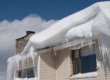
- Ice dams along roof edges
- Sagging or pulled-away gutters
- Downspouts that are cracked or detached
- Fallen tree limbs or debris on or near the roof
Take wide-angle photos to show the full roof area and close-ups to capture specific damage. If snow is covering parts of the roof, document that as well—it helps establish why some damage may not be immediately visible.
Interior Damage Often Carries the Most Weight
Insurance adjusters often rely heavily on interior signs of damage because they show active moisture intrusion.
Inside your home, document:
- Water stains on ceilings or walls
- Peeling paint or bubbling drywall
- Damp insulation or attic materials
- Mold or mildew odors developing after the storm
- Dripping water or moisture around vents or skylights
If possible, check your attic with a flashlight. Take photos of any dark spots, wet insulation, or visible daylight through the roof decking.
Document the Timeline of the Storm
Timing matters for insurance claims. Write down:
- The date and approximate time of the storm
- The type of weather involved (snow, ice, wind, hail, freezing rain)
- When you first noticed signs of damage
Weather reports, storm alerts, or local news screenshots can also help support your claim by confirming the severity of the event.
Save Receipts and Temporary Repair Records
If you take emergency measures to prevent further damage—such as tarping, water removal, or temporary sealing—save all receipts and invoices. Most insurance policies allow reimbursement for reasonable temporary repairs made to protect the property.
Do not throw away damaged materials if they can be safely stored. Items like broken flashing, gutter sections, or interior drywall can serve as additional evidence.
Review Your Insurance Policy Before Filing
Before contacting your insurance provider, review your homeowner’s insurance policy. Look for:
- Coverage limits for roof damage
- Deductible amounts
- Exclusions related to wear and tear or maintenance
- Time limits for filing storm-related claims
Understanding your policy helps you ask better questions and avoid surprises during the claims process.
Why a Professional Roof Inspection Is Critical
Many types of winter roof damage—especially from freeze–thaw cycles—aren’t obvious to untrained eyes. A licensed roofing contractor can identify hidden issues, document them properly, and provide professional reports that insurance companies take seriously.
At Pinnacle Roofing Associates, inspections focus on storm-related damage, not normal aging, which helps clarify what may be covered under your policy.
Avoid Common Documentation Mistakes
Homeowners unintentionally weaken their claims by:
- Waiting too long to document damage
- Making permanent repairs before inspection
- Failing to photograph snow or ice conditions
- Relying only on memory instead of written records
Prompt, organized documentation gives you the strongest possible position.
When to Contact Your Insurance Company
Once you’ve gathered initial documentation and had a professional inspection, you can file your claim with confidence. Providing clear, complete information upfront often leads to faster decisions and fewer follow-up requests.
FAQs: Roof Insurance Documentation After Winter Storms
What if I don’t see damage right away?
Some winter damage develops slowly. If you notice issues weeks later, document them immediately and note the earlier storm that likely caused the damage.
Should I file a claim before getting a roof inspection?
It’s usually best to have a professional inspection first so you understand the scope of damage before speaking with your insurer.
Can snow-covered roofs still be inspected?
Yes. Roofers can inspect accessible areas, attic conditions, gutters, and ventilation even when snow is present.
Will insurance cover ice dam damage?
Coverage depends on your policy and whether the damage is considered sudden and storm-related rather than long-term maintenance-related.
How long do I have to file a claim after a winter storm?
Time limits vary by policy, but it’s best to start documentation immediately and file as soon as damage is identified.
Get Expert Help with Roof Inspections and Insurance Claims
If your home was impacted by a winter storm, don’t leave your insurance claim to chance. At Pinnacle Roofing Associates, we help homeowners document storm damage accurately, identify hidden issues, and understand their next steps.
Contact Pinnacle Roofing Associates today to schedule a professional roof inspection. Our experienced team understands Colorado’s winter weather and knows how to spot the damage insurance companies look for—so you can move forward with confidence and protect your home.