
Colorado winters bring a combination of heavy snow, intense cold, hail, and sudden winter storms that can put any roofing system to the test. Homeowners across the Front Range need roofing materials that can handle extreme weather while protecting their investment long-term. One option that consistently performs well in cold climates is metal roofing.
At Pinnacle Roofing Associates, we install and maintain roofing systems designed for Colorado’s climate. In this guide, we’ll explain the key metal roof benefits in winter, how metal compares to asphalt shingles, and why residential and commercial metal roofing continues to grow in popularity.
Why Winter Performance Matters for Colorado Roofs
Winter weather stresses every part of your roofing system. Snow accumulation adds weight, ice dams block drainage, and repeated freeze-thaw cycles accelerate roof damage. Traditional asphalt shingle roofs often suffer cracking, granule loss, and moisture absorption during cold months.
Metal roofing materials are engineered to withstand these challenges. Their durability, energy efficiency, and longevity make them well-suited for homes and commercial buildings exposed to severe weather, hail, wind, rain, and fluctuating temperatures.
Metal Roofs Shed Snow and Ice More Efficiently
One of the most important advantages of steel roofing and tin-style systems is how easily snow slides off metal roof panels. Unlike asphalt shingles, which hold snow and moisture, metal creates a smooth surface that reduces buildup.
This provides several benefits:
- Less weight stress on the roof structure
- Reduced risk of ice dams forming along eaves
- Improved rain gutter and gutter system performance
- Lower chance of winter-related roof repair
Properly installed snow retention systems can be added to control shedding near walkways, making metal roofing both effective and safe.
Reduced Ice Dam Risk and Better Drainage
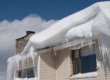
Ice dams are a major cause of winter water damage. When melting snow refreezes at the roof edge, it traps water behind it, forcing moisture under roofing materials and into ceilings, walls, and attics.
Metal roofing helps prevent this by:
- Promoting even snowmelt
- Improving drainage into gutters
- Pairing effectively with proper insulation and ventilation
While attic insulation and airflow still matter, metal roofing significantly reduces the conditions that lead to ice dam damage.
Superior Durability in Extreme Weather
Colorado’s climate includes hail, high winds, winter storms, and sudden temperature swings. Asphalt shingles can become brittle in cold weather, increasing the likelihood of damage during storms.
Metal roofs remain stable in freezing temperatures and are resistant to:
- Cracking and moisture absorption
- Hail and wind damage
- Rust and corrosion when properly coated
High-quality steel, zinc, and aluminum panels are designed to resist corrosion, lightning impact, and severe weather, making metal one of the most durable roofing materials available.
Energy Efficiency and Heat Control in Winter
Metal roofing contributes to energy efficiency year-round. In winter, it helps regulate heat transfer when paired with proper underlayment, attic insulation, and ventilation.
Benefits include:
- Reduced heat loss through the roof
- Less strain on your heating system
- Improved indoor comfort during cold months
Many homeowners notice more consistent temperatures and lower energy usage, which adds to the long-term value of metal roof installation.
Lower Maintenance and Fewer Winter Repairs
Winter roof maintenance can be dangerous and costly. Metal roofs typically require less upkeep than asphalt shingles because they resist common winter problems like rot, mold, and trapped moisture.
Homeowners often experience:
- Fewer emergency roof repairs
- Less gutter damage caused by ice buildup
- Longer service intervals between inspections
This applies to both residential metal roofing and commercial metal roofing, where reliability during winter is especially important.
Fire Resistance, Insurance Benefits, and Added Protection
Metal roofing is non-combustible, making it an excellent choice in areas at risk for wildfire—even during dry winter conditions. Because of this added protection, many insurance providers view metal roofing favorably.
Potential benefits include:
- Lower insurance premiums
- Better long-term coverage options
- Increased home safety during severe weather events
Insurance savings vary, but the durability and fire resistance of metal roofs often help offset initial cost.
Longevity and Long-Term Cost Value
When comparing asphalt shingles vs metal roofing, lifespan is one of the biggest differences. Asphalt roofs typically last 15–25 years in Colorado’s climate, while metal roofs often last 40–70 years or more.
Although metal roof installation has a higher upfront cost, the benefits include:
- Fewer replacements over time
- Reduced maintenance expenses
- Strong return on investment
This longevity makes metal roofing an environmentally friendly option, as fewer materials are used over the life of the home.
Modern Styles and Roofing Options
Today’s metal roofs are available in a wide range of styles, including:
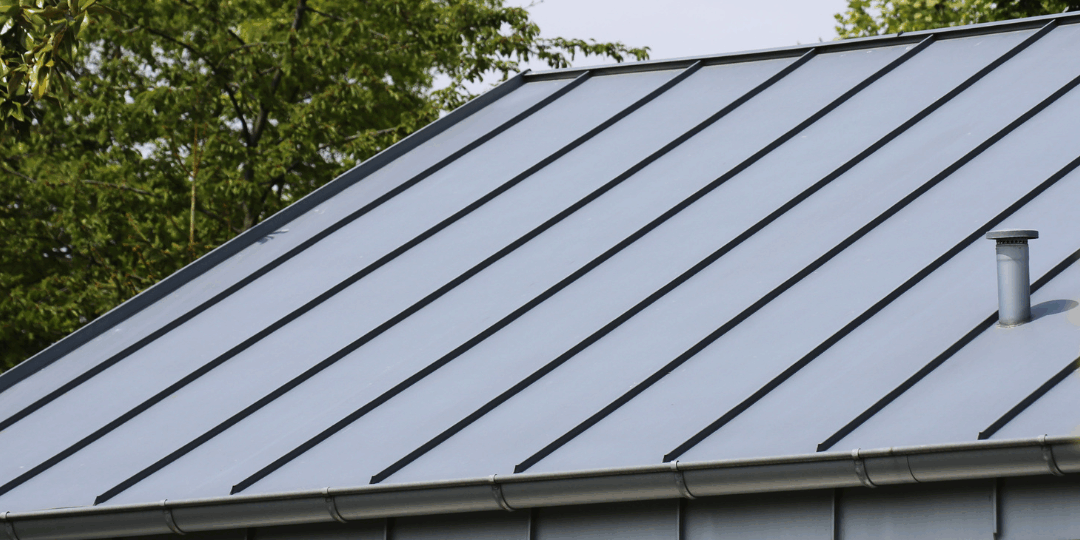
- Standing seam metal roof panels
- Systems that resemble slate, tile, or wood
- Steel and tin options in multiple colors
Whether you’re interested in the benefits of a steel roof or the advantages of a tin roof, modern designs make metal roofing suitable for nearly any architectural style.
Frequently Asked Questions About Metal Roofing in Winter
1. Are metal roofs better than asphalt shingles in winter?
Yes. Metal roofs handle snow, hail, and extreme weather better than asphalt shingles, especially in cold climates.
2. Do metal roofs rust or corrode?
High-quality metal roofing uses protective coatings that resist rust and corrosion for decades.
3. Will snow slide off too quickly?
Snow sheds easily, but snow retention systems can be installed to control movement where needed.
4. Are metal roofs energy efficient in winter?
Yes. Metal roofing improves energy efficiency by reducing heat loss when properly insulated.
5. Is metal roofing good for commercial buildings?
Absolutely. Commercial metal roofing is valued for durability, longevity, and low maintenance.
6. Does metal roofing attract lightning?
No. Metal roofs do not increase the risk of lightning strikes and are considered safe.
Talk to Pinnacle Roofing Associates About Metal Roofing
Metal roofing offers unmatched winter performance, durability, and long-term value for Colorado homeowners and businesses. Whether you’re dealing with aging asphalt shingles, storm damage, or planning a proactive upgrade, metal roofing is a solution worth considering.
Pinnacle Roofing Associates provides expert metal roof installation, inspections, and roof repair services designed for Colorado’s climate.
Contact Pinnacle Roofing Associates today to schedule a consultation and learn more about the benefits of metal roofing for your home or commercial property this winter.