
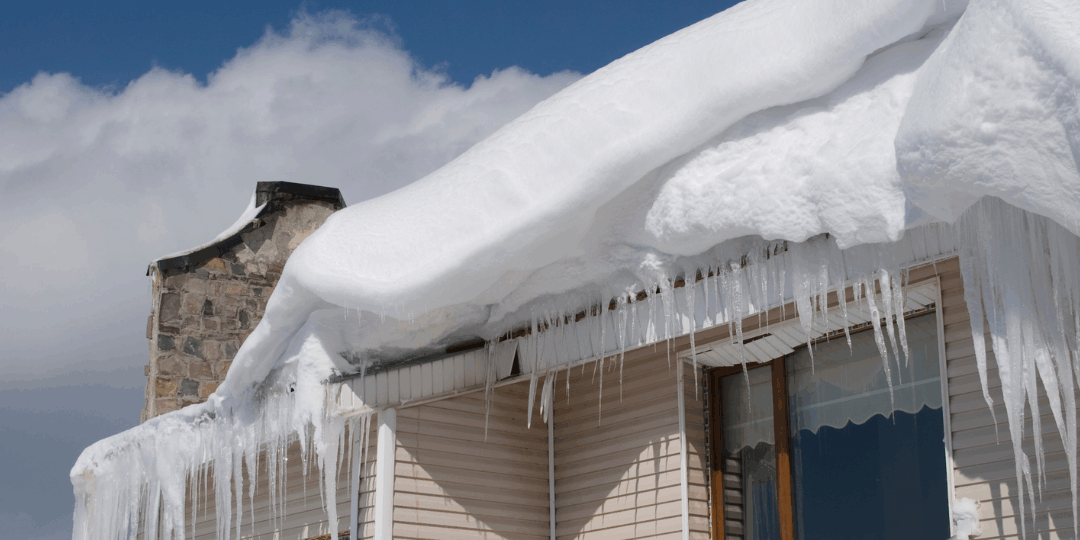
Colorado winters bring heavy snow, freezing temperatures, and sudden winter storms that can put serious stress on your home. One of the most common cold-weather roofing problems homeowners face is ice dam damage, along with dangerous snow buildup that can threaten both the roof system and the interior of the house.
At Pinnacle Roofing Associates, we help homeowners throughout the Denver Metro area understand how to prevent ice dams on roofs, reduce heat transfer, and protect their roofing systems before winter weather causes costly damage. This guide explains why ice dams form, how to remove snow safely, and what steps you can take to protect your roof all winter long.
Why Ice Dams and Snow Buildup Are a Problem in Colorado
Ice dams occur when warm air escapes from your home into the attic space, causing uneven melting on the roof. Snow melts near warmer areas, flows downward, and refreezes at colder roof edges and eaves. Over time, this creates thick ice that blocks proper drainage through the rain gutter system.
When ice dams form, they can lead to:
- Water backing up under shingles and leaking into the ceiling and walls
- Damage to insulation, fiberglass, and spray foam in the attic
- Mold and moisture buildup
- Bent or detached gutters and downspouts
- Heavy snow loads that increase the risk of roof collapse
Understanding how heat transfer, freezing temperatures, and ventilation interact is key to learning how do you prevent ice dams before they cause damage.
What Causes Ice Dams on Roofs?
Ice dams are not caused by snow alone. They are usually the result of poor attic insulation, inadequate roof ventilation, and warm air leakage from inside the home.
Common contributing factors include:
- Heat escaping through the attic ceiling
- Gaps around chimneys, ducts, pipes, or attic access points
- Poorly sealed soffits or roof penetrations
- Clogged rain gutters that prevent proper drainage
- Inconsistent snowmelt across the roof surface
Homes with complex rooflines, metal roofing, or older insulation systems are especially vulnerable if these issues are not addressed.
Attic Insulation
Insulation limits heat transfer from your living space into the attic. When insulation is insufficient, warm air rises and melts snow unevenly.
Solutions may include:
- Adding fiberglass or spray foam insulation
- Sealing air leaks around ducts, pipes, and attic hatches
- Improving insulation coverage across attic floors
Roof Ventilation
Ventilation allows cold air to circulate through the attic space, helping regulate temperature and reduce condensation.
Balanced ventilation systems using ridge vents, soffit vents, and attic vents help prevent snowmelt from refreezing at the eaves.
Keep Rain Gutters Clean and Functional
Your rain gutter system plays a major role in winter roof performance. When gutters are clogged with leaves or debris, melted snow cannot drain properly and refreezes into solid ice.
Before winter:
- Clean gutters thoroughly
- Check for loose brackets or sagging sections
- Make sure downspouts direct water away from the foundation
- Consider installing gutter guards to reduce debris buildup
Well-maintained gutters help prevent ice dams and reduce the risk of water damage.
Safely Manage Roof Snow Removal
Excessive snow accumulation adds weight and increases the likelihood of ice dam formation. In some cases, roof snow removal is necessary to protect the structure.
Best practices include:
- Using a roof rake from the ground to remove snow near the eaves
- Avoiding ladders on icy surfaces whenever possible
- Never chipping ice directly off shingles
- Hiring a professional for steep roofs, metal roofs, or heavy snow loads
If you’re wondering how do you get rid of ice dams or how do you remove ice dams, the safest approach is professional removal combined with long-term prevention strategies.
Special Considerations for Metal Roofs and Low-Slope Roofs
Metal roofing sheds snow efficiently, but it can also create sudden snowmelt and ice buildup if insulation or ventilation is inadequate. Snow retention systems may be needed to control sliding snow and icicle formation.
Low-slope or flat roofs are more prone to pooling snowmelt and freezing water. These systems require regular winter monitoring to prevent leaks and membrane damage.
When Heated Systems May Help
In homes with recurring ice dam problems, heated roof cables or snowmelt systems can help keep drainage paths open. These systems work best when combined with proper insulation and ventilation and should not be relied on as the sole solution.
Why Preventative Winter Maintenance Matters
Proactive winter roof maintenance helps homeowners:
- Avoid emergency repairs during winter storms
- Reduce interior water damage and mold growth
- Extend the life of roofing materials
- Minimize insurance claims
- Protect the structural integrity of the home
Addressing these issues before freezing temperatures arrive is always more cost-effective than reacting to damage mid-winter.
Frequently Asked Questions
1. How do you prevent ice dams on roofs?
By improving attic insulation, sealing air leaks, maintaining ventilation, and keeping gutters clear.
2. How do you remove ice dams safely?
Ice dams should be removed by professionals using safe methods that avoid damaging shingles or flashing.
3. Can ice dams cause interior water damage?
Yes. Ice dams often lead to leaks behind walls, ceilings, and insulation.
4. Are icicles a sign of ice dams?
Icicles can indicate heat loss and refreezing water, which often leads to ice dam formation.
5. Should I remove snow from my roof after every storm?
Not always, but heavy accumulation near roof edges should be managed to reduce risk.
6. When should I call a roofing contractor?
If you see leaks, recurring ice dams, sagging gutters, or heavy snow loads, it’s time to call a professional.
Protect Your Roof This Winter with Pinnacle Roofing Associates
Colorado winters are tough, but ice dams and snow damage are preventable with the right preparation. At Pinnacle Roofing Associates, we provide roof inspections, winter repairs, gutter services, and long-term solutions designed for Colorado’s climate.
If you’re concerned about ice dam damage, snow buildup, or winter roof performance, contact Pinnacle Roofing Associates today to schedule an inspection and protect your home before the next winter storm hits.