
Colorado winters are known for their beauty—but they’re also notorious for being tough on homes. One of the most damaging (and often overlooked) winter threats to your roof is the freeze–thaw cycle. Unlike regions where temperatures stay consistently cold, Colorado regularly experiences snow overnight, sunshine during the day, and freezing temperatures again after sunset. This constant shift creates ideal conditions for gradual roof damage that many homeowners don’t notice until spring—or later.
Understanding how freeze–thaw cycles affect your roof can help you spot early warning signs, prevent expensive repairs, and protect your home long-term.
What Is a Freeze–Thaw Cycle?
A freeze–thaw cycle happens when moisture penetrates roofing materials, freezes as temperatures drop, then melts again when temperatures rise. Water expands when it freezes and contracts as it melts. While that expansion may seem minor, repeated cycles place stress on roofing materials over time.
In Colorado, a single roof can go through dozens of freeze–thaw cycles in one winter, especially along the Front Range where daily temperature swings are common. Each cycle slightly weakens shingles, flashing, fasteners, and even the roof decking beneath.
How Moisture Gets Into Your Roof in the First Place
Your roof is designed to shed water—but it isn’t a single, sealed surface. It’s a layered system made up of shingles or panels, flashing, underlayment, and structural components. Over time, small vulnerabilities develop due to:
- Aging materials
- Wind-driven snow or rain
- Minor storm damage
- Normal wear and tear
- Improper ventilation or insulation
These vulnerabilities allow small amounts of moisture to sneak beneath the surface. When temperatures drop overnight, that trapped moisture freezes and expands, gradually pushing materials apart from the inside out.
Why Freeze–Thaw Damage Is Often Invisible
One of the biggest problems with freeze–thaw damage is that it rarely causes immediate, obvious failure. Instead, it leads to subtle deterioration such as:
- Hairline cracks in shingles
- Loosened granules collecting in gutters
- Slightly lifted flashing
- Weakened sealants around vents or chimneys
- Soft spots developing in the roof deck
From the ground, your roof may look fine. Inside the attic, however, moisture may already be accumulating—setting the stage for leaks once snow begins to melt more aggressively.
Colorado’s Temperature Swings Make the Problem Worse
In many colder climates, temperatures remain below freezing for extended periods. In Colorado, it’s common to see a 30–40 degree temperature change in a single day. This means roofing materials repeatedly shift between frozen and pliable states.
Over time, that movement accelerates material fatigue. Shingles become brittle, flashing loses its seal, and fasteners loosen. When spring arrives, homeowners often assume the damage happened suddenly—when in reality, it began months earlier.
Ice Dams: A Common Result of Freeze–Thaw Cycles
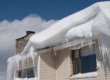
Freeze–thaw cycles are closely tied to ice dam formation. Ice dams occur when snow melts on warmer sections of the roof and refreezes near the eaves, forming a ridge of ice. That ridge traps additional meltwater behind it.
With nowhere to go, water can back up under shingles and into the attic, walls, or ceilings. Ice dams are one of the most common reasons Colorado homeowners experience mid-winter roof leaks.
Poor attic insulation and ventilation often make the issue worse by allowing heat to escape unevenly through the roof.
Gutters Also Take a Hit
Your gutter system plays a critical role in winter roof performance. During freeze–thaw cycles, melted snow refreezes inside gutters and downspouts, adding weight and internal pressure. Over time, this can cause:
- Cracked seams
- Pulled fasteners
- Sagging sections
- Water overflow near the roof edge
When gutters fail, water is more likely to seep into fascia boards, siding, and foundation areas—compounding the original roofing issue.
Long-Term Damage That Shows Up Later
By the time warmer weather arrives, homeowners may notice:
- Ceiling stains
- Musty attic odors
- Mold or moisture around insulation
- Warped roof decking
- Shingles that suddenly look uneven
At this point, the damage has usually progressed beyond a simple fix. What began as a minor moisture issue during winter may now require extensive repairs—or even partial roof replacement.
How Homeowners Can Reduce Freeze–Thaw Roof Damage
While freeze–thaw cycles can’t be avoided in Colorado, their impact can be reduced. Smart prevention steps include:
- Keeping gutters clear before winter
- Ensuring proper attic insulation and ventilation
- Addressing minor roof issues before snow season
- Removing excessive snow buildup safely
- Scheduling professional roof inspections during winter or early spring
Catching problems early is the key to preventing long-term damage and controlling repair costs.
When to Call a Roofing Professional
If your roof is more than a decade old, has experienced repeated storms, or hasn’t been inspected recently, winter is not the time to ignore potential issues. A professional roofer can evaluate problem areas that aren’t visible from the ground and recommend targeted repairs before damage escalates.
FAQs: Freeze–Thaw Roof Damage in Colorado
How many freeze–thaw cycles does Colorado typically experience each winter?
Many areas along the Front Range experience dozens of freeze–thaw cycles between late fall and early spring due to frequent temperature fluctuations.
Can freeze–thaw damage be repaired without replacing the roof?
Yes, when caught early. Localized repairs such as replacing damaged shingles or resealing flashing can often prevent further deterioration.
Are ice dams a sign that my roof is failing?
Not always. Ice dams often point to insulation or ventilation issues, but repeated ice dams can cause roof damage if left unaddressed.
Is it possible to inspect a roof during winter?
Yes. Even with snow present, professionals can inspect attic conditions, ventilation, gutters, and accessible roof areas.
What are early warning signs homeowners should watch for?
Granules in gutters, attic moisture, ceiling stains, sagging gutters, or shingles that appear uneven are all signs worth investigating.
Schedule a Winter Roof Inspection with Pinnacle Roofing Associates
Freeze–thaw damage doesn’t happen all at once—and waiting until spring can allow small issues to turn into costly repairs. At Pinnacle Roofing Associates, we help Colorado homeowners identify early signs of winter roof damage and protect their homes before problems worsen.
If you want peace of mind through the rest of winter and into spring, contact Pinnacle Roofing Associates today to schedule a professional roof inspection. Our experienced team understands Colorado’s climate and knows exactly where freeze–thaw damage hides.
Protect your home now—before winter leaves its mark.